//Energy Solutions
Energy-Efficient Window Treatments in Marin County
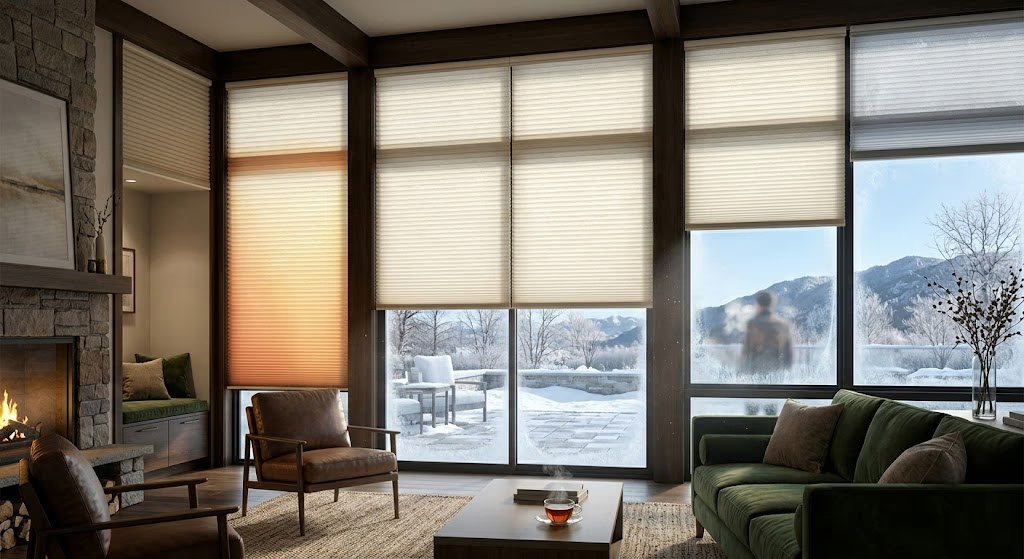
Triple-cell Duette® Architella® honeycomb shades reach R-7.0 to build a thermal moat against Richardson Bay Valley temperature swings and cut PG&E costs 15–25% - assessed, designed, and installed across Marin County.
//Cost Savings
Can Window Treatments Lower My PG&E Bill?
Yes. Triple-cell Duette® Architella® honeycomb shades achieve R-7.0 thermal resistance - the highest of any window covering - along with a U-factor of 0.23 and an SHGC of 0.17, exceeding the 2026 Title 24 California Energy Code threshold of 0.27. In Marin County's climate, where summer highs exceed 100°F and winter lows reach the low 30s, properly installed cellular shades reduce heating and cooling costs by 15–25% by creating a thermal moat at each window.
The savings compound across every window you cover. A typical Marin County home with 15 to 20 windows can achieve substantial annual energy cost reductions by upgrading from basic curtains or bare glass to insulated cellular shades. A 2,400 sq ft San Rafael home with 20 windows recently achieved a 22% reduction in July–August HVAC runtime after Duette Architella installation with PowerView automation scheduling shades to close during peak afternoon heat. Research from the Berkeley Lab Windows and Daylighting Group quantifies how attachments improve whole-window energy performance, and the ENERGY STAR residential windows program certifies products that meet these thresholds.
//Climate Science
The Richardson Bay Valley Climate Challenge
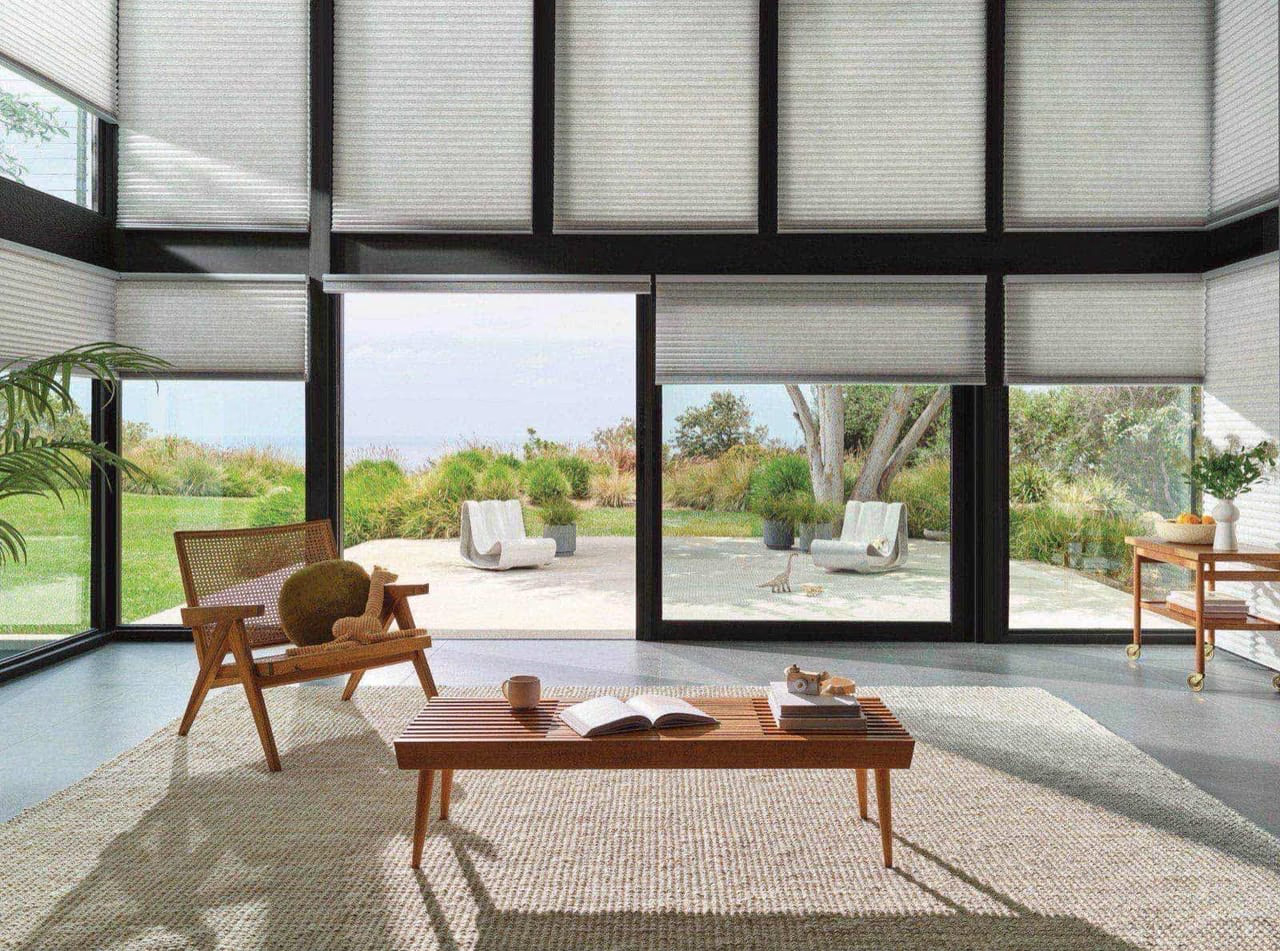
Marin County's unique geography creates one of the most demanding climates for residential energy efficiency in Northern California. Temperature swings of 60–70°F between summer highs and winter lows put constant stress on every window in your home. The Lucas Valley and Alexander Valley corridors channel hot inland air westward during summer, pushing afternoon temperatures well past 100°F in exposed homes. Winter reverses the problem: clear overnight skies allow rapid radiative cooling, dropping morning temperatures into the low 30s even in the valley floor communities of San Rafael and Novato.
Older homes in Mill Valley with single-pane glass are the worst performers - R-0.9 at the window means virtually no resistance to heat transfer in either direction, and up to 30% of a home's energy loss passes directly through uninsulated glass. Even new construction using dual-pane Low-E glass benefits from R-7.0 cellular shades for the incremental insulation that pushes energy costs below baseline. A tighter thermal envelope also supports healthier EPA-defined indoor air quality by stabilizing temperature and humidity swings at the glass. During the free energy assessment, our lead designer maps every window orientation and specifies the product that delivers the highest thermal return for each exposure.
//Summer Performance
Best Window Treatments for Summer Heat in Marin County
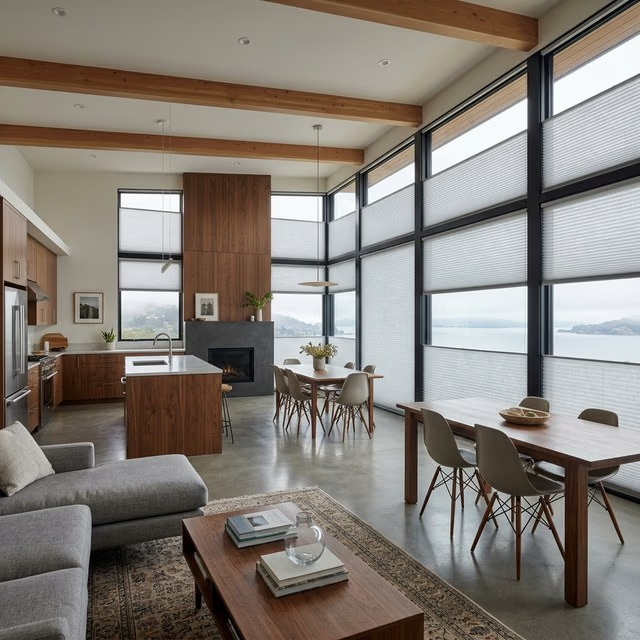
When afternoon temperatures in Novato and San Rafael push past 95°F, west-facing and south-facing windows become radiators that drive up cooling costs. Solar shades are the top performer for these exposures because they block up to 99% of solar heat gain at the glass while still allowing you to see outside. Available in openness factors from 1% to 14%, solar shades let you balance heat rejection against view preservation for each specific window.
The right product depends on the window. Beyond solar shades, the thermal ladder runs from R-5.0 Duette Architella double-cell and R-3.5 single-cell Duette, to R-3.0 wood plantation shutters, R-2.8 Silhouette® shadings with LightLock™, R-2.5 lined custom drapery, and R-2.2 Vignette® Modern Roman shades - every option a meaningful step above the R-1.5 of a standard roller shade or R-0.9 bare glass. Pairing solar shades with PowerView automation unlocks the most effective strategy: schedule shades to close automatically during peak heat hours between 2–5 PM for consistent thermal protection even when you are away, and pair them with a decorative drapery panel for a high-performance system that keeps your home cool all summer.
//Strategic Planning
Room-by-Room Energy Strategy for Maximum Savings
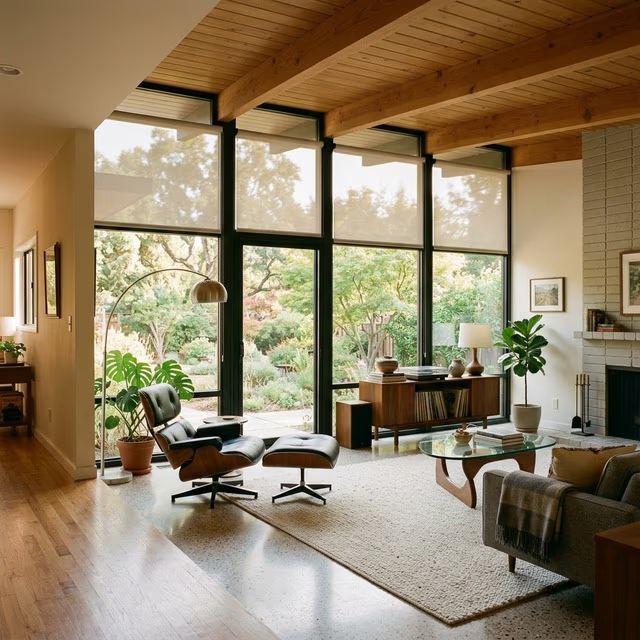
Not every window faces the same thermal challenge, and the most effective energy strategy matches the right product to each orientation. West-facing glass in Lucas Valley and Alexander Valley homes calls for 1%-openness solar shades paired with Duette Architella behind them - the solar shade rejects heat at the glass while the R-7.0 cellular shade insulates, creating a double thermal barrier that outperforms either product alone. South-facing windows benefit from Silhouette window shadings, whose floating vanes diffuse harsh midday sun and provide UV blocking while preserving bay and hillside views.
North-facing rooms use room-darkening cellular shades in darker tones to absorb and retain winter heat, where the R-7.0 Architella construction prevents interior warmth from escaping on cold mornings. East-facing bedrooms and breakfast areas suit light-filtering Duette shades that diffuse gentle morning sun without glare, and skylights - a disproportionate source of solar heat gain - are best served by motorized Duette shades with PowerView solar power that eliminate wiring. Our team evaluates each window individually and maps the optimal product, cell count, opacity, and color to each exposure. For how shade scheduling affects sleep quality and daytime alertness, see our circadian wellness page.
//In the Field
San Rafael Whole-Home Thermal Retrofit
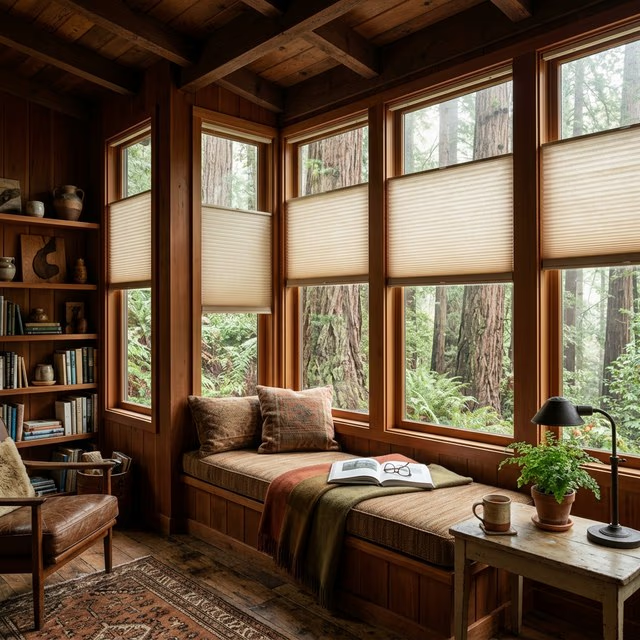
A 2,800 sq ft home on Novato Creek in San Rafael with 22 windows was losing significant energy through single-layer curtains on builder-grade dual-pane glass. We replaced every treatment with Duette Architella double-cell shades - Light Filtering fabric for living areas and Room Darkening for bedrooms - and installed PowerView Gen 3 automation across the entire home. The system schedules shades to close at 2 PM daily during summer, blocking the peak heat window before the HVAC system has to compensate.
Post-installation results: a 22% HVAC reduction in July–August cooling costs and an 18% reduction in December–January heating costs. The homeowner reported noticeably more consistent room temperatures throughout the day, with fewer HVAC cycles during both peak summer heat and cold winter mornings. Total project timeline: 12 days from initial consultation to final PowerView programming. As an authorized Hunter Douglas dealer, Bay Blinds delivered a thermal moat that produced measurable savings in the first billing cycle.
//Related Products & Solutions
//Frequently Asked Questions
What is the R-7.0 thermal moat?
The R-7.0 thermal moat refers to the insulating performance achieved by triple-cell Duette Architella honeycomb shades - the highest R-value of any window covering on the market. Three nested layers of air pockets create a barrier that rivals some wall insulation values. In the Richardson Bay Valley, where summer highs exceed 100°F in Alexander Valley and winter lows reach the low 30s, this thermal moat blocks heat transfer in both directions, reducing HVAC runtime by 15–25%. Bay Blinds specifies Architella for every whole-home energy project in Marin County.
How much can energy-efficient shades reduce my PG&E bill?
Homeowners in Marin County typically see 15–25% reductions in heating and cooling costs after installing cellular shades across all windows. The exact savings depend on your current window type (single-pane homes see the largest improvement), shade cell count, and how consistently the shades are used. A 2,400 sq ft San Rafael home with 20 windows recently achieved a 22% reduction in July–August HVAC runtime after Duette Architella installation with PowerView automation scheduling shades to close during peak afternoon heat.
Do window treatments qualify for PG&E energy rebates?
Some energy-efficient window coverings may qualify for rebates through PG&E residential energy efficiency programs and the federal 25C tax credit for energy-efficient home improvements. Eligibility depends on product type, installation method, and your home’s current energy profile. During your free energy assessment, our design team evaluates your windows and identifies which products are most likely to qualify.
What is the best window treatment for west-facing windows in Marin County?
For west-facing windows in Marin County that absorb intense afternoon sun, solar shades with a 1% openness factor provide the strongest heat rejection while preserving outdoor views. They block up to 99% of solar heat gain at the glass before it enters your room. For maximum thermal performance on west-facing windows, pair solar shades on the exterior side with Duette Architella cellular shades behind them - the solar shade rejects heat while the cellular shade insulates, creating a double thermal barrier that significantly outperforms either product alone.
Should I choose light or dark colored shades for energy efficiency?
Light-colored shades reflect more solar heat and are the better choice for west-facing and south-facing windows where summer heat gain is your primary concern. Dark-colored shades absorb heat and radiate it inward, which can be beneficial in winter for north-facing windows where you want to capture every bit of warmth. In the Richardson Bay Valley, where temperatures swing from over 100°F in Lucas Valley and Alexander Valley summers to low-30s winter mornings, a mixed approach works best: light-colored Duette Architella on sun-exposed windows to reject summer heat, and darker tones on north-facing glass to retain winter warmth. Our team evaluates each window orientation during the free energy assessment to recommend the optimal color and opacity for your home.
Build Your R-7.0 Thermal Moat
Free energy assessments across San Rafael, Novato, Mill Valley, and all of Marin County.