//Shop By Room
Home Theater Window Treatments in Marin County
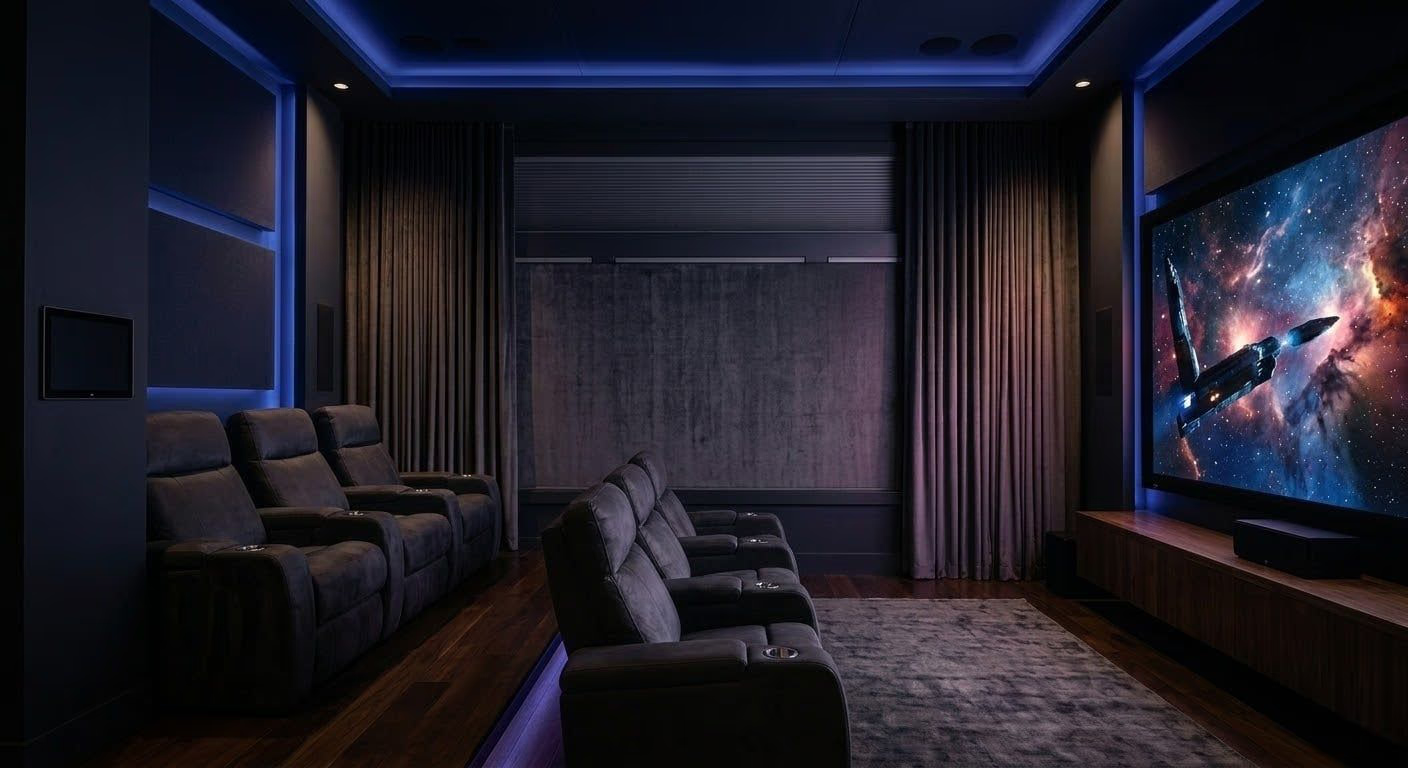
THX-calibrated cinema environments demand 99.9% blackout with LightLock edge absorption, sub-25 dBA motorization below the human hearing threshold, and NRC 0.20–0.45 acoustic absorption - designed, integrated, and installed for Mill Valley, San Rafael, and Marin County theaters.
//Cinema Blackout
Why Do Home Theaters Demand 99.9% Blackout?
Light leakage ruins ISF-calibrated projector contrast ratios. Even 0.1% light penetration degrades the black levels that cost thousands of dollars to calibrate, washing out shadow detail in dark scenes and collapsing the dynamic range that defines a cinematic image. Standard blackout shades block 95–99% of light - insufficient for THX-grade environments that require 99.9% blackout with LightLock edge absorption technology to eliminate light leaking around shade perimeters, side channels, and headrail gaps.
The Duette Architella honeycomb cell paired with patented LightLock side channels absorbs light at the shade perimeter, eliminating the edge glow that standard blackout shades leave around windows. This combination delivers 99.9% light block - the threshold required for THX-calibrated projection environments - while the Architella cell-within-a-cell construction adds R-7.0 thermal insulation that maintains stable temperatures in sealed theater environments. For bedrooms that double as media spaces, our bedroom blackout solutions apply the same edge-sealing approach.
//Screen Glare
Eliminating Glare and Reflections on Displays
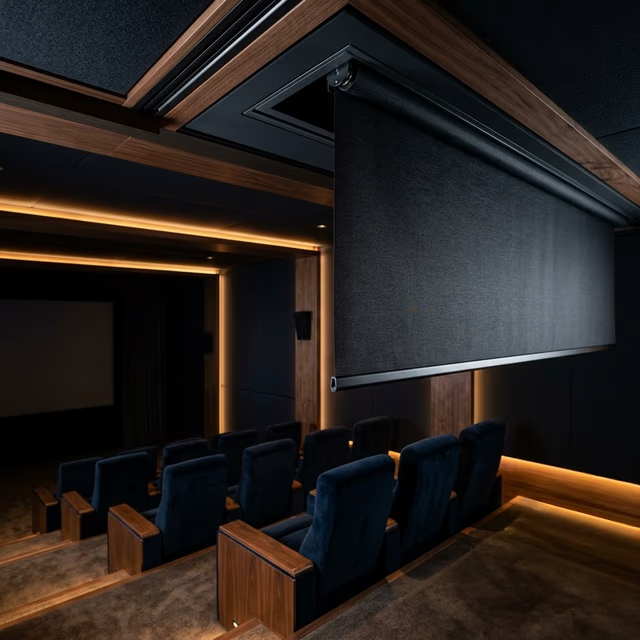
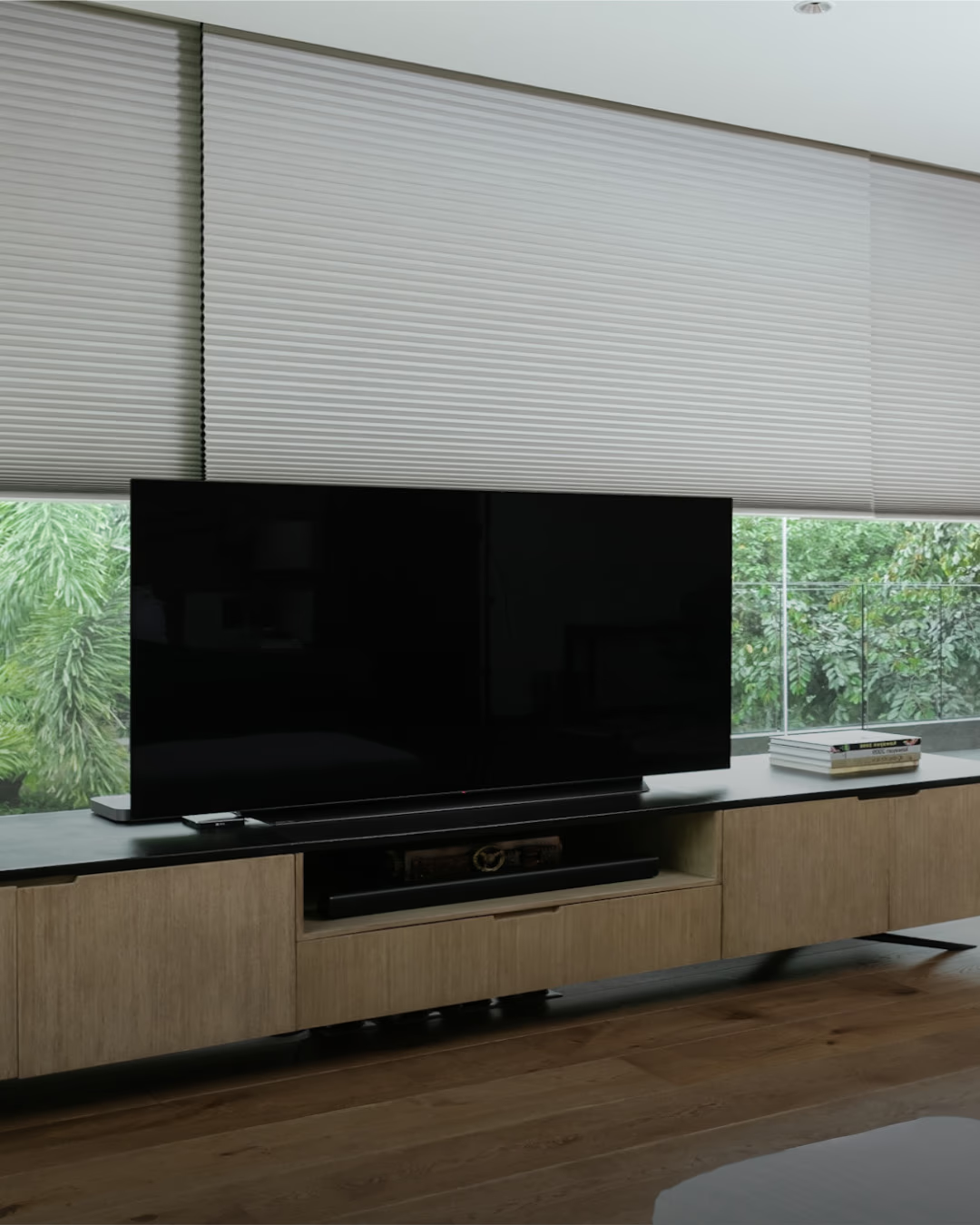
Ambient light from untreated windows reflects off screens and projector surfaces, washing out shadow detail and forcing viewers to raise brightness past calibrated targets. Dual-purpose media rooms are the hardest case: they need daylight filtering for casual sports and gaming, then total blackout for dedicated cinema sessions. The Duolite dual-layer system delivers both environments from a single shade - a light-filtering front layer for daytime viewing and a room-darkening rear layer for full blackout - so the same window serves two distinct lighting scenarios.
The same glare-control principles apply to screen-heavy work spaces. Our home office glare solutions and Silhouette window shadings use diffusing vanes to soften harsh light on displays while preserving a connection to the outside. As an authorized Hunter Douglas dealer, Bay Blinds specifies the right opacity and layer count for every window in the room.
//Acoustic Control
Can Window Treatments Improve Theater Acoustics?
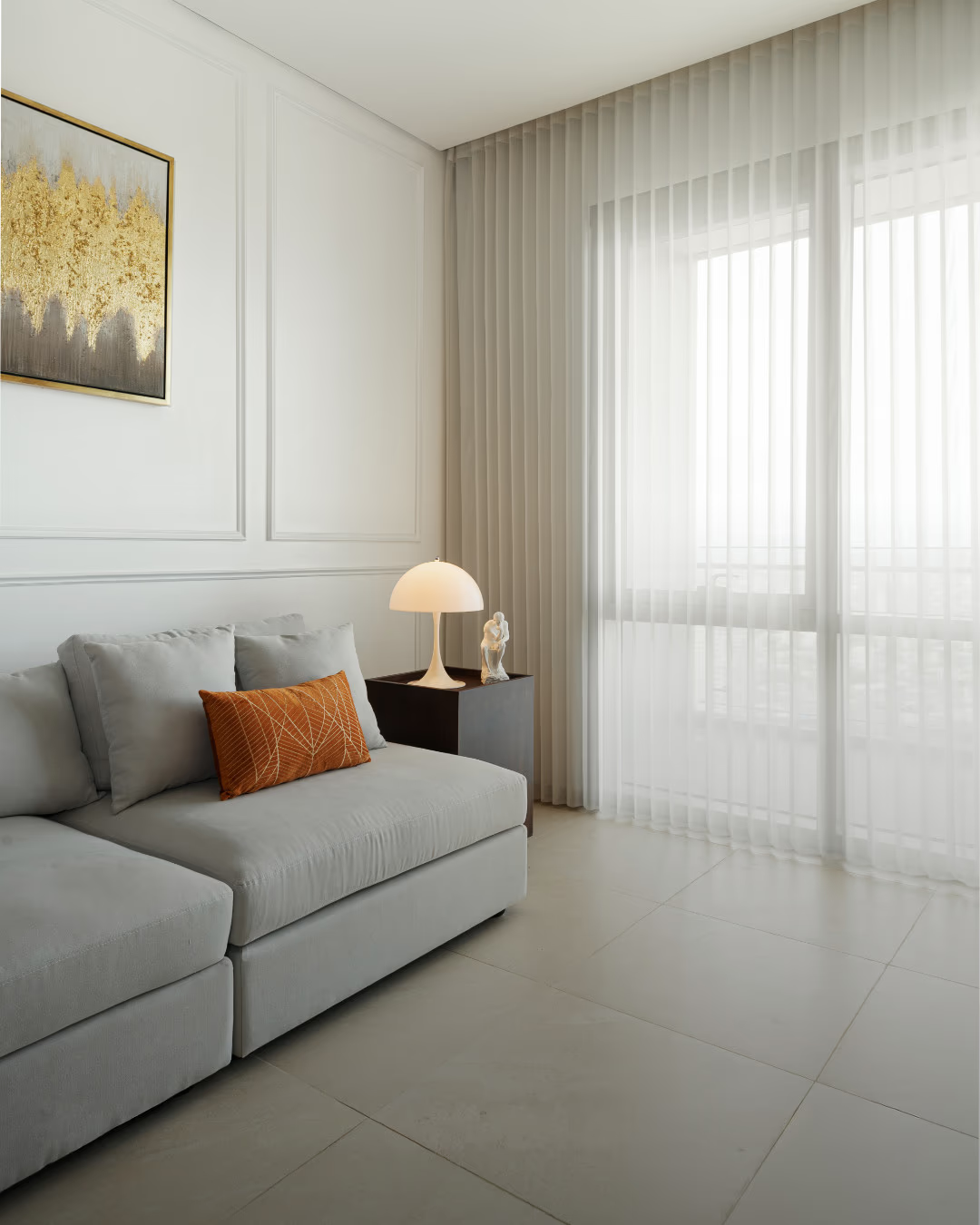
Yes. Acoustic reflections from untreated glass surfaces create flutter echo and standing waves that degrade dialogue intelligibility - the very frequencies (500 Hz to 2 kHz) most critical for understanding speech in film. The Architella honeycomb cell structure absorbs sound reflections at NRC 0.20–0.35, reducing flutter echo from hard glass surfaces before it reaches the listening position.
For dedicated cinema rooms, custom acoustic drapery in velvet and chenille panels achieves NRC 0.45+, specifically targeting the mid-frequency dialogue-clarity band that cellular shades alone cannot fully address. Layering drapery over Architella LightLock delivers comprehensive acoustic and light management across the full theater window envelope, addressing the standing waves common in rooms with large expanses of glass.
//One-Touch Scenes
Sub-25 dBA Motorization and Movie Mode Automation
Motor noise from standard motorized shades operates at 40–50 dBA, louder than quiet dialogue passages and breaking immersion during the scenes that matter most. The human hearing threshold in a quiet room is approximately 25 dBA, making Lutron Palladiom's sub-25 dBA operation essential for cinema environments where any mechanical sound disrupts the acoustic envelope. Palladiom drives install into recessed pockets for invisible shade storage when retracted, falling below the ambient room noise floor during operation.
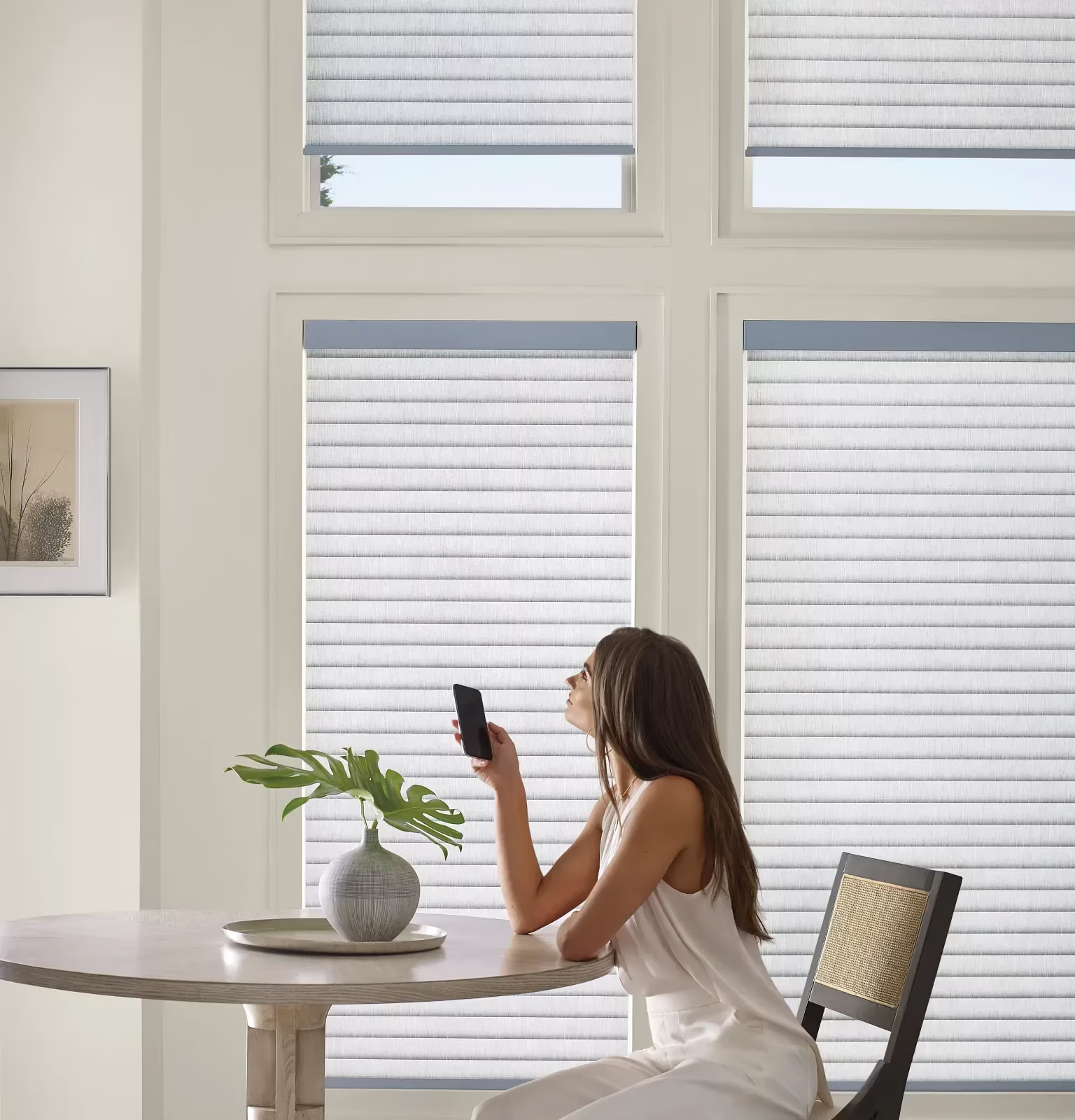
RadioRA 3 integration through Savant, Control4, and Crestron scene automation enables one-touch “Movie Mode” scenes that simultaneously lower shades, dim lights, and prepare the projector - from a single button press, voice command, or automated schedule. Shade position can sync with content type - cinema, sports, or gaming - each with optimized blackout levels calibrated to the display and room geometry. Because scheduled light exposure also affects sleep and alertness, our circadian wellness programming coordinates theater scenes with the rest of the home.
//In the Field
Cinema-Grade Design for Mill Valley and San Rafael Estates
Mill Valley and San Rafael luxury estates increasingly include tiered home theaters with 4K/8K projection, Dolby Atmos surround sound, and ISF-calibrated displays - environments that demand window treatments engineered to cinematic tolerances, not residential aesthetics. Bay Blinds designs theater shade systems that consider sight-line geometry from tiered seating positions, recessed pocket dimensions for invisible shade storage at every window, and the acoustic interaction between shade fabric and room boundary surfaces.
For dual-purpose media and living rooms, Duolite dual-layer systems provide daylight filtering for casual sports viewing and total blackout for dedicated cinema sessions - two distinct environments from a single shade system. We serve theater installations across Mill Valley, San Rafael, and Novato, integrating shades, lighting, projection, and audio into a single cinematic transition. For expansive glazing behind seating, motorized Skyline gliding panels extend blackout coverage across wide window walls.
//Related Products & Solutions
//Frequently Asked Questions
What’s the difference between standard blackout and THX-grade cinema darkness?
Standard blackout blocks 95–99% of light. THX-calibrated rooms require 99.9% blackout with LightLock edge absorption technology that eliminates light leaking around shade perimeters. Even 0.1% light leakage degrades ISF-calibrated contrast ratios. Duette Architella with LightLock achieves true cinema-grade darkness.
Why does motor noise matter in a home theater?
Human hearing threshold in quiet rooms is approximately 25 dBA. Standard motorized shades operate at 40–50 dBA - louder than dialogue in quiet film scenes. Lutron Palladiom’s sub-25 dBA operation falls below ambient room noise, making shade movement imperceptible during viewing. This is essential for THX-calibrated environments.
How do home theater shades integrate with control systems?
Bay Blinds configures RadioRA 3 integration with Savant, Control4, and Crestron home automation. “Movie Mode” scenes simultaneously lower shades, dim lights, and prepare the projector - all from a single button press or voice command. Shade position syncs with content type (cinema vs. sports vs. gaming).
Can window treatments improve home theater acoustics?
Yes. Duette Architella’s honeycomb cell structure absorbs sound reflections at NRC 0.20–0.35. Custom acoustic drapery panels in velvet or chenille fabrics achieve NRC 0.45+, specifically absorbing 500Hz–2kHz frequencies critical for dialogue clarity. This combination reduces flutter echo and standing waves common in rooms with hard glass surfaces.
Perfect Your Theater Experience
Complimentary on-site assessments for cinema-grade shade and acoustic systems across Mill Valley, San Rafael, Novato, and all of Marin County.